Skipping the Middleman: How Space Coast Restaurants Are Going Straight to the Source for Their Best Bottles
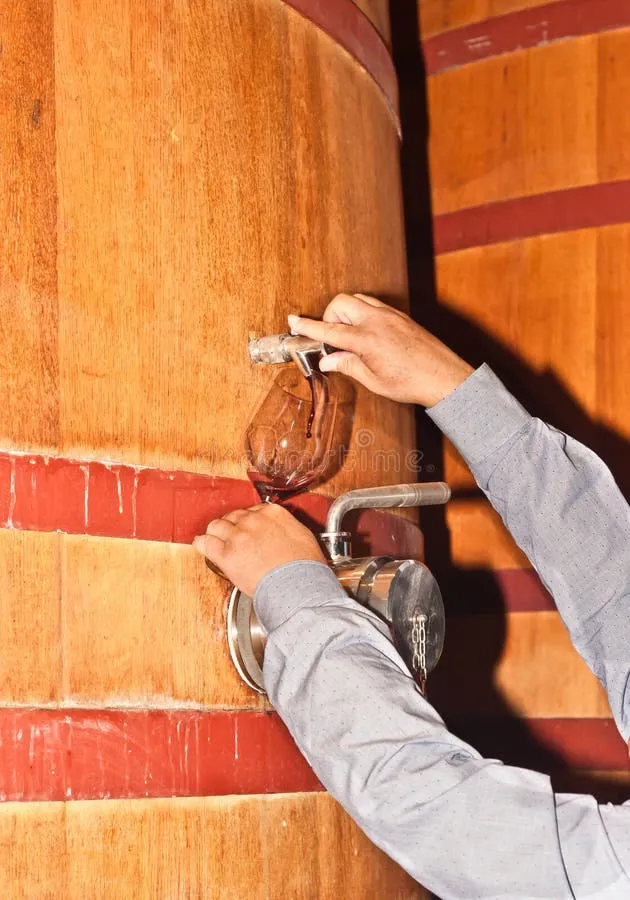
Photo: winemaker pouring wine in small family vineyard cellar barrels, via thumbs.dreamstime.com
There's a bottle of skin-contact Grüner Veltliner sitting on a shelf at a small Cocoa Beach bistro right now. It came from a 12-acre Austrian-American family operation in the Finger Lakes. There are exactly 240 cases of it in existence. You will not find it at your local wine shop. You won't see it on any distributor's catalog. The only reason it's here — on a barrier island in central Florida — is because the restaurant's owner drove up to upstate New York last spring, knocked on a cellar door, and asked if they'd be willing to work something out.
That kind of hustle used to be rare. These days on the Space Coast, it's becoming a movement.
The Distributor Gap
For decades, most restaurant wine lists were shaped less by passion and more by what a distributor rep dropped off on Tuesday morning. That system works fine for moving volume, but it tends to flatten the landscape. The same recognizable labels cycle through the same lists across dozens of restaurants, and genuinely small producers — the ones making 500 cases a year in a converted barn somewhere in Sonoma or the Willamette Valley — rarely make the cut.
"Distributors have to move product at scale," explains one Cocoa Beach restaurant owner who's spent the last three years building direct winery relationships. "A tiny family winery in the Rhône Valley that makes 800 cases isn't going to get a rep's attention. But that's exactly the kind of wine my guests get excited about."
So she started going around the system entirely — attending regional wine fairs, reaching out through winemaker forums, and occasionally just cold-emailing producers whose bottles she'd discovered while traveling. Some ignored her. A surprising number wrote back.
What "Direct" Actually Looks Like
Direct-to-restaurant relationships take a few different forms depending on the winery's size and home state. Some small producers are licensed to ship directly to Florida businesses. Others work through micro-distributors — tiny regional operations that handle just a handful of labels and are willing to move smaller quantities than the big players. And occasionally, restaurants actually import wines themselves through a licensed importer, though that's a more involved process reserved for the truly committed.
What these arrangements share is a level of personal investment that changes the entire character of a wine program. When a restaurant owner has actually visited the vineyard, met the family, and tasted the wine straight from the barrel, that story doesn't stay locked in a spreadsheet. It ends up in staff training. It ends up in how the wine gets described tableside. It ends up mattering.
"We did a staff dinner last fall where we Zoomed in the winemaker while we were tasting through her lineup," says one Cocoa Beach general manager. "She walked us through the vintage conditions, why she made the blending decisions she did, what she was hoping you'd feel when you drank it. Our servers went out the next day and sold through half our allocation in a week."
The Winemakers Who Say Yes
It's worth asking: why would a small winery bother with a single restaurant in Cocoa Beach, Florida?
The answer, according to several producers who've entered these kinds of arrangements, comes down to finding the right audience. Boutique winemakers are often deeply allergic to the idea of their wine sitting forgotten in a distributor's warehouse or getting discounted to move inventory. A restaurant with a genuinely curious clientele — people who are there specifically because the wine list is interesting — can actually be a better home for a limited release than a retail shelf.
"We want our wine to be drunk by people who care about it," says a fourth-generation winemaker from a small Paso Robles operation who supplies two Space Coast restaurants. "When a restaurant owner calls me and says 'I want to build a dinner around your Grenache and tell your story,' that's what we're here for. That's not something a big distributor call can replicate."
For some producers, the relationship goes beyond just moving cases. One Cocoa Beach chef has co-designed a private-label blend with a small Virginia winery — a project that started after a chance meeting at a food and wine event in Charleston. The wine appears exclusively on his menu, with the winery's name and the story of the collaboration printed right on the label.
The Guest Experience on the Other End
All of this behind-the-scenes effort only matters if it translates into something real for the person sitting at the table. And based on what's happening at the restaurants doing this well, it does.
Tasting menus built around exclusive allocations are drawing regulars who want to try whatever came in this month. Winemaker dinners — where the producer flies or drives in to pour and talk through their lineup — are selling out faster than almost any other event these restaurants host. Some spots have started offering small "cellar selections" on their menus: a rotating handful of bottles that are explicitly marked as limited, one-of-a-kind finds that may or may not be there next week.
There's also a ripple effect on how guests think about wine more broadly. When a server explains that the Malbec on the list came from a 30-acre family farm in Mendoza that the owner visited personally, and that there are only 18 bottles left, something shifts. The wine stops being a line item and starts being an experience with a beginning, a middle, and an end.
A Different Kind of Wine List
None of this means that every bottle on a Cocoa Beach wine list needs to come with a passport stamp and a personal anecdote. The classic producers exist for a reason, and there's nothing wrong with a well-chosen Bordeaux or a crowd-pleasing California Cab doing its job quietly and reliably.
But the restaurants on the Space Coast that are leaning into direct winery relationships are building something the big distributors genuinely can't replicate: lists that feel curated rather than assembled. Lists that reflect actual taste, actual travel, actual conversation.
And honestly? That's exactly what you'd hope to find in a town that already knows something about ignoring the conventional path and doing things its own way.
Next time you're scanning a wine list here and something catches your eye — an unfamiliar label, a grape variety you've never heard of, a region that seems oddly specific — ask your server how it got there. Chances are, the answer is a better story than you'd expect.