Sun, Sand, and Syrah: How Cocoa Beach Is Throwing Out the Wine Calendar for Good
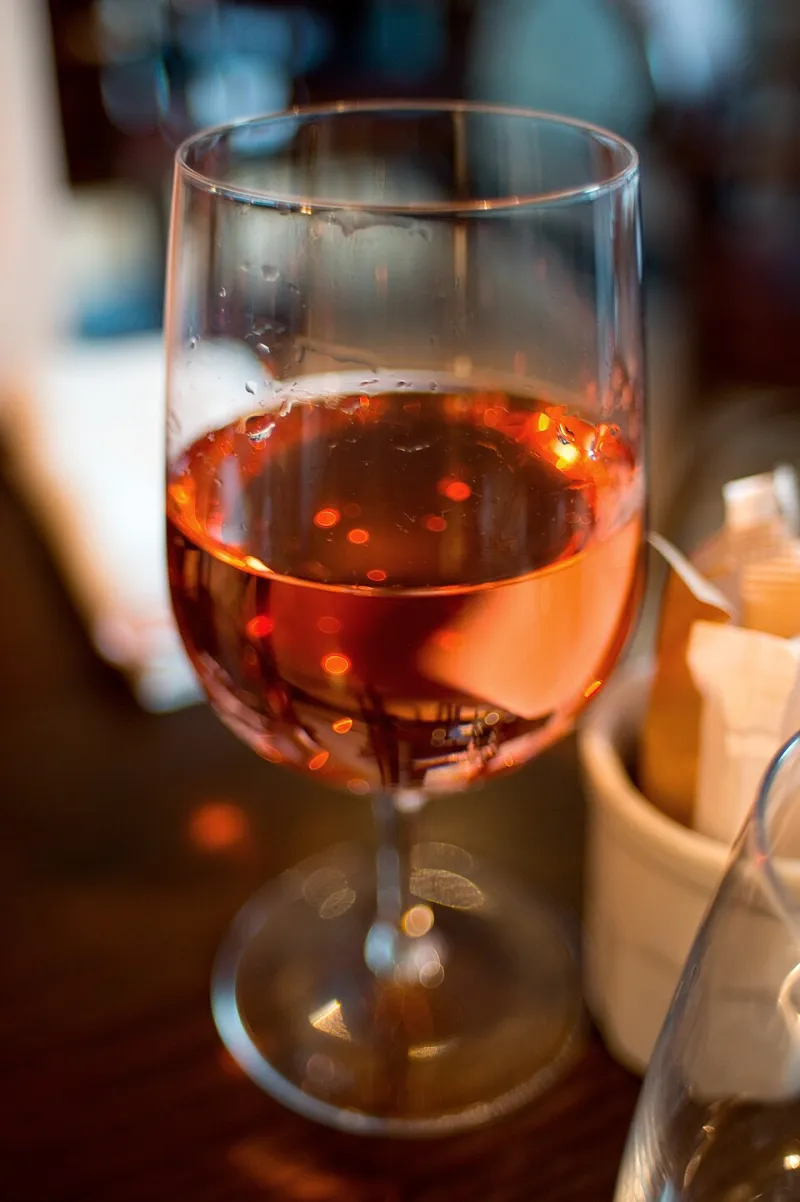
Photo: Ashley Pomeroy, CC BY 3.0, via Wikimedia Commons
Somewhere between the third sip of a chilled Grenache rosé and the moment a pelican dive-bombs the Atlantic just past the deck railing, it hits you: this is not wine country as anyone defined it. There's no harvest season to chase, no autumn chill to justify a Cabernet, no crisp spring morning demanding a Sauvignon Blanc. In Cocoa Beach, it's warm. It's always warm. And that, it turns out, is an incredible opportunity.
The restaurants and wine bars dotting A1A have started figuring something out that the traditional wine world hasn't quite caught up to yet — when your climate doesn't follow the textbook, your wine program doesn't have to either.
The Myth of the Seasonal Wine List
For decades, American dining culture absorbed a European rhythm when it came to wine. Whites and rosés belonged to spring and summer. Big reds were reserved for the colder months. Wine directors at high-end restaurants rotated their lists accordingly, retiring the Provence rosé around Labor Day and dusting off the Barolo when the leaves started turning.
The problem? In Cocoa Beach, the leaves don't turn. The thermostat barely budges below 60°F, even in January. Tourists arriving from Chicago or Boston in February are still wearing shorts and ordering poolside cocktails. And increasingly, they're asking for rosé.
"We used to pull back on our rosé selection heading into fall out of habit, honestly," says one wine director at a well-known oceanfront spot on the north end of the beach. "Then we noticed our guests weren't reading that memo. They were still asking for it in November, in December. We had a table of eight in January order four bottles of rosé with their stone crab. That's when we stopped pretending the seasons applied to us."
Rosé Without an Expiration Date
The shift toward year-round rosé programs is perhaps the most visible change happening across the Space Coast's dining scene. What was once a seasonal placeholder has become a legitimate anchor of local wine lists — and the selections are getting more sophisticated by the month.
It's not just the pale Provence-style pours that have become synonymous with poolside sipping. Restaurants are now stocking deeper, more structured rosés from regions like Tavel in the Rhône Valley, Cerasuolo d'Abruzzo from Italy, and even domestic producers out of California's Central Coast who are making rosés built to stand up to food rather than just sunshine.
"There's a rosé for every occasion and every palate, and we're finally in a position to show people that," explains a sommelier at a newer waterfront concept that opened along the Banana River side of the island. "A Tavel alongside grilled swordfish is a completely different experience than a Whispering Angel with oysters. Both are appropriate year-round here. We don't have to choose."
The customer response has been telling. Rosé sales at several Cocoa Beach establishments have climbed steadily across what used to be considered off-season months, with some reporting that their pink pours now account for a consistent 20 to 30 percent of wine revenue regardless of the time of year.
The Case for Cold-Climate Whites in Florida Heat
Here's something that surprises a lot of visitors: some of the most food-friendly wines in Florida's heat are the ones that come from the coldest places on earth.
Alsatian Rieslings. Grüner Veltliner from Austria. Muscadet from the Loire's windswept Atlantic coast. These wines — with their high acidity, lower alcohol, and mineral-driven profiles — cut through the richness of seafood, survive the heat without going flat, and pair beautifully with the citrus-forward, spice-laced cooking that defines the Space Coast's best kitchens.
Several local sommeliers have quietly been building out their by-the-glass programs with exactly these bottles, and the education piece has become part of the dining experience itself.
"People see 'Grüner Veltliner' on the list and they pause," laughs one wine-focused server at a spot near the Cocoa Beach Pier. "But once I describe it — light, zippy, works with almost everything we serve — they're in. And then they order it again the next time they come in. The wine sells itself once people try it."
Full-Bodied Reds Don't Have to Hibernate
Perhaps the boldest move local restaurants are making is refusing to sideline their red wine programs during the summer months. Conventional wisdom says heavy reds belong to cold weather. Cocoa Beach's wine directors are increasingly pushing back on that idea — with a few smart adjustments.
Temperature is everything. Serving a red wine slightly cooler than room temperature — say, around 60 to 62°F rather than the standard 65 to 68°F — transforms the drinking experience in a warm climate. The fruit stays vibrant, the tannins feel less aggressive, and the wine integrates beautifully with food rather than sitting heavy on the palate.
"We actually serve most of our reds a little cooler than you might expect," notes one beverage manager at an upscale beach-adjacent steakhouse. "A Syrah from the Northern Rhône at the right temperature in August is stunning. People assume they don't want red wine in summer, but really, they just don't want warm red wine. There's a difference."
Food pairing plays a role too. The tuna, wahoo, and mahi that dominate Space Coast menus are substantial enough to carry a lighter-bodied red — a Pinot Noir, a Nerello Mascalese, even a chilled Beaujolais — without the fish getting overwhelmed. It's a conversation local sommeliers are having with their guests more often, and one that's changing how people think about the red-wine-with-seafood taboo.
Inventory Strategy in a Year-Round Market
Running a wine program without seasonal guardrails requires a different kind of planning. Buying in bulk for a single season's push gives way to a more consistent, rolling inventory model — one that keeps popular bottles in stock year-round rather than cycling them in and out.
For smaller establishments without a dedicated sommelier on staff, that can mean tighter relationships with local distributors and a willingness to stay nimble. For larger operations, it opens the door to more creative programming: vertical tastings, producer dinners, and wine club offerings that don't need to be tied to a particular time of year.
"We think about our list like a living document," says one beverage director who oversees wine programs at two Cocoa Beach properties. "We're not swapping everything out seasonally. We're making smaller, more intentional adjustments based on what's landing with our guests and what our kitchen is doing. It's more work, honestly, but it creates a better experience."
A New Kind of Wine Destination
Cocoa Beach was never supposed to be a wine destination. It's a surf town. A launch-watching town. A place where people come to decompress and eat grouper sandwiches and watch rockets streak across the sky.
But something is happening here — quietly, steadily — as the restaurants and wine programs along the coast get more ambitious, more thoughtful, and more willing to ignore the rules that were written for a different climate and a different kind of diner.
Rosé in January. Grüner Veltliner with stone crab. A slightly chilled Syrah at sunset. None of it fits the textbook. All of it makes perfect sense on the Space Coast.
The wine calendar, it turns out, looks a lot better without the calendar.