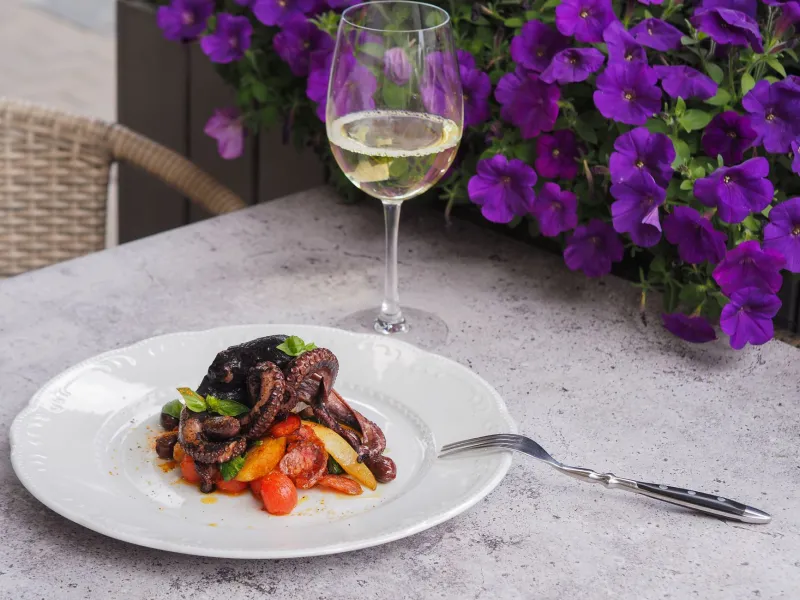
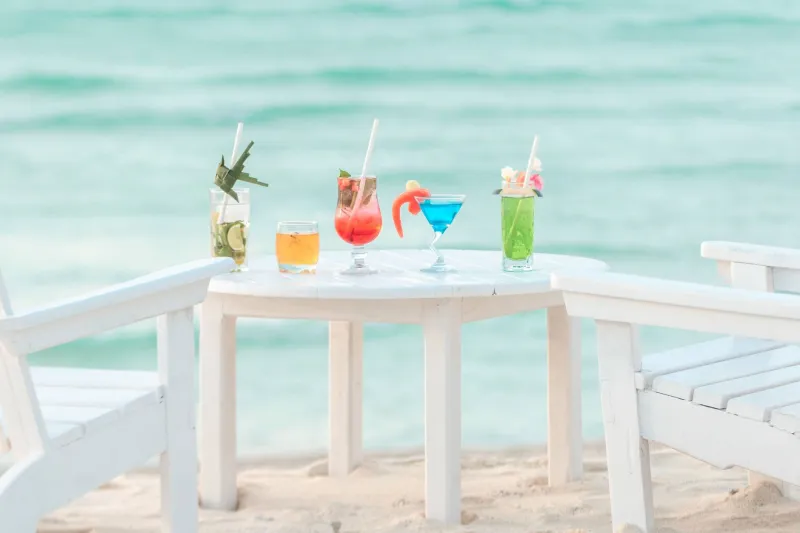
Beyond the Beach Bucket: How Cocoa Beach Restaurants Are Building Wine Programs Worth Talking About
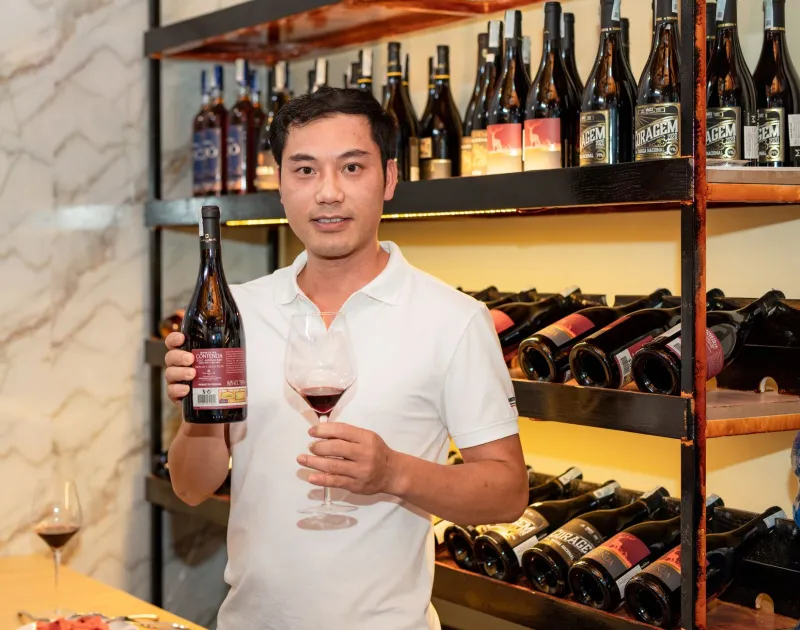
There's a persistent assumption about beach towns and wine. The thinking goes something like this: people on vacation want something cold, something easy, and something they don't have to think about. A twist-cap rosé. A generic Chardonnay served in a stemless glass with ice already in it. Something that pairs well with sunscreen and doesn't require a conversation.
Cocoa Beach has spent years quietly dismantling that assumption — and the results are genuinely worth paying attention to.
Across the Space Coast's dining scene, a meaningful shift is underway. Restaurant owners, chefs, and a small but growing contingent of certified wine professionals are building wine programs that go well beyond the expected. We're talking curated lists with real regional depth, thoughtful by-the-glass selections that rotate with the menu, and in some cases, actual cellar programs with bottles that have been aging for years. This isn't about pretension — it's about raising the bar in a market that, frankly, deserves it.
The Old Playbook Is Gone
Ask anyone who's been working in Cocoa Beach hospitality for more than a decade and they'll tell you the same thing: the wine list used to be an afterthought. Seafood restaurants leaned on a handful of reliable California whites. Italian spots offered a predictable parade of Chianti and Pinot Grigio. And the broader dining public — a mix of tourists, retirees, and aerospace industry workers with sophisticated palates — was largely being underserved.
What changed? A few things converged at once. The Space Coast's population has grown and diversified, bringing with it diners who travel widely, eat adventurously, and have opinions about natural wine. The craft beverage movement that swept through Florida's bigger cities eventually made its way east. And a handful of restaurant owners decided that building a serious wine program wasn't just a passion project — it was a competitive advantage.
"People come here expecting a certain kind of beach town experience, and then they see the list and their eyebrows go up," one local restaurateur explained. "That surprise is the beginning of a real conversation."
What "Serious" Actually Looks Like Here
It's worth being specific about what a thoughtful wine program looks like in this context, because it doesn't necessarily mean expensive or intimidating. The best wine programs on the Space Coast share a few common traits.
Intentionality in the by-the-glass selection. A list of eight to twelve wines poured by the glass, chosen to cover different flavor profiles, price points, and food affinities, is far more useful than a wall of bottles nobody can afford on a Tuesday. The restaurants earning attention here rotate their glass pours regularly, often tying them to seasonal menu changes.
Regional diversity that goes beyond the obvious. Yes, California Cabernet and New Zealand Sauvignon Blanc have their place. But the lists that stand out on the Space Coast are the ones reaching into less-charted territory — Portuguese Vinho Verde alongside grouper, skin-contact Slovenian whites with ceviche, a well-chosen Jura Chardonnay that makes guests rethink everything they thought they knew about the grape.
Staff who can actually talk about the wine. This might be the most underrated differentiator. A beautifully designed wine list is only as good as the person presenting it. Several Cocoa Beach restaurants have invested in training their floor staff to speak knowledgeably — not robotically — about what's on the list. The result is a guest experience that feels like a conversation rather than a transaction.
The Sourcing Philosophy
One of the more interesting conversations happening behind the scenes in Cocoa Beach's restaurant community is about how wine gets onto the list in the first place. The sourcing philosophy varies by venue, but a few consistent threads have emerged.
Direct relationships with importers — particularly smaller, independent importers who specialize in family-owned producers — are increasingly common among the restaurants doing the most interesting work. These relationships give restaurateurs access to wines that simply don't show up on standard distributor sheets: grower Champagnes, small-production Burgundy negociants, obscure Iberian varieties that nobody else in the market is pouring.
Some operators have gone further, visiting wine regions themselves and returning with both bottles and stories. That narrative dimension — being able to tell a guest that the Ribera del Duero on the list came from a vineyard the owner visited last spring — adds a layer of authenticity that no amount of marketing can replicate.
There's also a growing interest in sustainability and organic farming practices among Cocoa Beach's more wine-forward restaurants. Biodynamic producers, low-intervention winemakers, and certified organic estates are appearing on lists with increasing regularity, reflecting both a genuine philosophy and a recognition that a significant portion of the dining public actively seeks this out.
The Pairing Opportunity Nobody Is Ignoring
Here's an advantage that Cocoa Beach restaurants have over their counterparts in Miami or Tampa: the local seafood is extraordinary, and it creates a natural pairing landscape that's almost impossibly rich.
Fresh-caught flounder, blue crab, shrimp pulled from the Indian River Lagoon, oysters from nearby beds — this is some of the finest raw material in the Southeast, and the wine programs being built around it are starting to reflect that. Acidic, mineral-driven whites — Chablis, Muscadet, Vermentino, dry Riesling — are finding natural homes alongside menus built around the daily catch. Lighter reds, served with a slight chill, are showing up next to grilled fish preparations in ways that challenge conventional pairing wisdom and mostly win.
Sommeliers and wine-savvy servers at the better establishments will actively steer guests toward these less-expected pairings, and the conversations that result are often the highlight of the meal.
A Beach Town, Not a Backup Plan
Perhaps the most important thing to understand about what's happening with wine in Cocoa Beach is that it isn't happening despite the beach town identity — it's happening because of it. The relaxed, unpretentious atmosphere that defines life on the Space Coast turns out to be a genuinely excellent environment for adventurous wine drinking. Nobody's here to perform sophistication. The pressure is off. And when the pressure is off, people are more willing to try the skin-contact orange wine, to let the sommelier talk them into the Txakoli, to order a second bottle of something they've never heard of before.
That openness, combined with a growing community of hospitality professionals who take their craft seriously, is producing something real. Cocoa Beach isn't auditioning to be taken seriously as a wine destination. It already is one — it's just been too busy enjoying itself to make a big announcement about it.
Pour yourself something interesting and come find out.