Around the World in Every Glass: How Cocoa Beach Is Pouring Far-Flung Wine Regions Right on the Shore
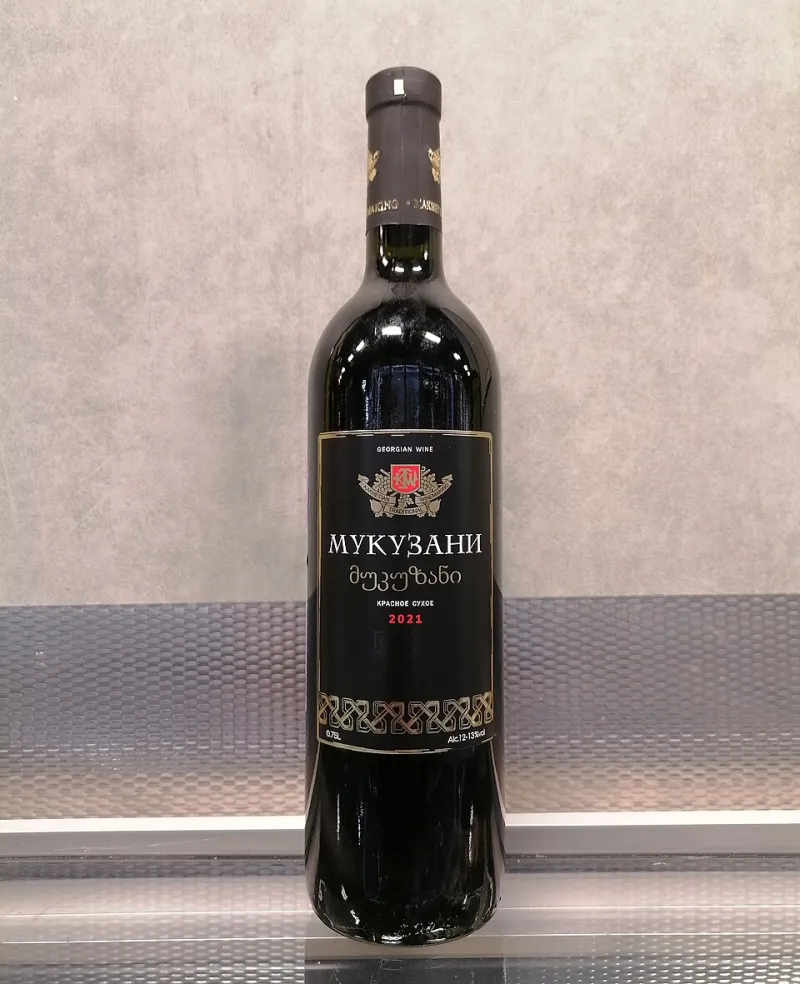
Photo: Bogdanov-62, CC BY-SA 4.0, via Wikimedia Commons
There's something quietly radical happening on Florida's Space Coast. Between the surf shops and the rocket launch countdowns, a handful of passionate wine professionals are stocking their shelves with bottles that most Americans have never heard of—and convincing beachgoers to try them. We're talking amber wines from the foothills of the Caucasus Mountains, biodynamic reds from the sun-baked Alentejo plains of Portugal, and crisp, mineral-driven whites from Greece's volcanic islands. In Cocoa Beach, the wine map just got a whole lot bigger.
The Bottle That Started a Conversation
Ask any sommelier in town about the moment things shifted, and you'll hear a version of the same story. A guest orders "something interesting," the sommelier takes a chance, and suddenly a table of sunburned vacationers is deep in a conversation about Georgian amber wine made in clay pots buried underground.
"I poured a Rkatsiteli from the Kakheti region for a couple who came in expecting to order a Chardonnay," says one local wine director who oversees the list at a beachside dining spot. "They looked at it—it was this gorgeous deep orange color—and I could see the hesitation. Twenty minutes later they were asking if we had a second bottle."
That's the magic these pours carry. They don't just taste different; they open doors. And Cocoa Beach, it turns out, is full of curious drinkers who are ready to walk through them.
Why the Space Coast Is Ready for This
It might seem counterintuitive. Cocoa Beach has a reputation as a laid-back beach town, not a destination for serious wine exploration. But locals and repeat visitors here tend to be adventurous by nature—many of them work in or around the aerospace industry, drawn to a place that celebrates discovery as part of its identity. That spirit translates to the dinner table more than you'd expect.
"Our guests aren't intimidated by the unfamiliar the way you might think," explains the owner of one of the area's most talked-about independent wine shops. "They're scientists, engineers, curious travelers. They want to understand why something tastes the way it does. That's actually a great audience for natural wine from Slovenia or a pét-nat from the Loire."
Shops and restaurants have started leaning into that curiosity, building educational moments directly into the tasting experience. Handwritten shelf talkers explain what a qvevri is. QR codes link to short videos about biodynamic farming in Portugal's Douro Valley. It's low-key education that meets people where they are—standing in a wine shop in flip-flops, looking for something to crack open before sunset.
The Regions Worth Getting Excited About
So which corners of the wine world are showing up most on Space Coast lists right now? A few stand out.
Georgia (the country, not the state): Ancient winemaking traditions—some dating back 8,000 years—are having a serious moment. Wines fermented on their skins in traditional clay vessels called qvevri produce rich, tannic whites with deep amber color and flavors that land somewhere between dried apricot, walnut, and beeswax. They're unlike anything in the conventional wine canon, and local sommeliers say they pair beautifully with the bold, briny seafood that defines Space Coast dining.
Austria's Wachau and Burgenland: Beyond the well-known Grüner Veltliner, Austrian producers are making skin-contact orange wines that are finding serious fans here. They carry an earthy, textured quality that holds up to heavier dishes but still feels refreshing in Florida's heat. "Orange wine is basically the perfect beach wine that nobody knows about yet," says one local bartender who's started incorporating them into the cocktail menu as a base for low-ABV spritzes.
Portugal's Alentejo and Dão: While Portuguese wine has been gaining traction nationally, the more obscure producers from these inland regions—working with indigenous grapes like Encruzado and Baga—are still a genuine discovery for most American drinkers. Biodynamic farming practices are widespread here, and the resulting bottles carry a sense of place that wine lovers describe as almost electric.
Greece's Santorini and Assyrtiko: Volcanic soils and ancient vine-training methods produce whites with a bracing acidity and saline minerality that feels almost custom-built for a seafood-forward coastal menu. It's no surprise that a few local chefs have quietly made Assyrtiko their house pour.
The Jura, France: Small-production, oxidative whites and light-bodied reds from this overlooked eastern French region are showing up on the most adventurous lists in town. Savagnin and Poulsard aren't household names, but they're earning loyal followings among the wine-curious crowd.
The Art of the Gentle Introduction
Getting guests to try something genuinely unfamiliar takes finesse. The local pros are good at it. The approach most commonly described isn't a lecture—it's a bridge.
"I always start with what someone already loves," says a sommelier who runs weekly tasting events at a local wine bar. "If they're a Pinot Grigio drinker, I might start them on a Slovenian Rebula. If they love bold reds, a Portuguese Baga is going to blow their mind in the best possible way. You're not asking them to abandon what they know—you're showing them where it connects to something new."
Those tasting events have become a genuine community fixture. Think casual Thursday evenings—a handful of glasses, a few maps spread on the table, and a guided pour through four or five wines from regions most attendees couldn't have located on a globe an hour earlier. By the end, they can.
Beyond the Glass
What's particularly exciting about this movement on the Space Coast is that it isn't just about drinking well—it's about building a culture around wine that feels genuinely inclusive and curious rather than exclusive and intimidating. The best bottles from Georgia or the Jura aren't necessarily the most expensive ones on the list. In fact, many of these underrepresented regions offer extraordinary value precisely because they haven't been discovered by the mainstream market yet.
For Cocoa Beach, a town that has always had its own distinct character—part beach town, part frontier outpost for human exploration—that sense of being ahead of the curve feels right at home.
The next time you're sitting on the Space Coast watching a rocket trace a line across the sky, consider raising a glass of something your friends back home have never heard of. Chances are, someone behind a local bar or wine shop counter is ready to tell you the whole story behind it—and it's a good one.
Looking to explore? Ask your server or wine shop staff about their most recent "discovery" import. The answer might just be the best thing you drink all year.